
round gold bathroom mirror
Understanding the 3% Gate Valve An Essential Component in Fluid Control In various industrial applications, the flow of fluids is a critical aspect that engineers and operators must manage effectively. Among the numerous types of valves available, the gate valve stands out for its reliability and efficiency in regulating fluid flow. Specifically, the 3% gate valve has gained attention for its precision and functionality, especially in applications where controlling flow is crucial. What is a Gate Valve? A gate valve is a type of linear motion valve used to start or stop the flow of fluid through a pipeline. Unlike other valves that are designed for throttling purposes, the gate valve offers minimal flow resistance when fully opened. It operates using a gate that can lift or lower to either allow or obstruct flow. This design makes it particularly suitable for applications where a straight-line flow of fluid and minimum obstruction are desired. The Significance of the 3% Specification The term 3% gate valve often refers to the valve's ability to maintain a relatively constant flow with only a slight variation in pressure drop across the valve. This specification is important in systems where a stable flow rate is necessary, ensuring that processes operate smoothly and efficiently. The 3% indicates that the valve maintains variable flow characteristics within a tolerable range, making it suitable for various applications in both commercial and industrial settings. Applications of the 3% Gate Valve 3% gate valves are widely used in many industries, including water treatment, oil and gas, chemical processing, and power generation. In water treatment facilities, they are used to control the flow of water through various stages of purification. The oil and gas industry relies on these valves to manage the flow of crude oil and natural gas, where precision and reliability are paramount. Chemical processors use 3% gate valves to ensure safe and efficient handling of corrosive substances. Similarly, in power generation, the control of steam and water flow can significantly impact operational efficiency and safety. 3 gate valve Advantages of 3% Gate Valves 1. Precision Control The 3% gate valve allows for precise control over flow rates, which is essential in many industrial processes. This precision helps prevent overpressure in systems, thereby enhancing safety. 2. Reduced Flow Resistance Gate valves are designed to minimize turbulence and pressure drop when fully open, ensuring maximum flow efficiency. 3. Durability and Reliability Made from robust materials, these valves are built to withstand high pressure and harsh environmental conditions, making them ideal for heavy-duty applications. 4. Ease of Maintenance The simple design of the gate valve makes it easy to maintain and repair, reducing downtime and costs associated with complex valve systems. Conclusion In summary, the 3% gate valve represents a key component in fluid control systems across various industries. Its ability to provide precise flow control with minimal resistance makes it a preferred choice for many applications. As industries continue to evolve and demand greater efficiency and safety, the importance of reliable components like the 3% gate valve cannot be overstated. Whether it’s in oil and gas, water treatment, or chemical processing, understanding the role and functionality of gate valves can lead to improved operational outcomes and enhanced system performance. Overall, investing in quality gate valves is crucial for ensuring the stability and reliability of fluid control systems, thereby supporting the backbone of modern industrial operations.
about
round gold bathroom mirror
Understanding Check Valve Types A Comprehensive Overview Check valves are critical components in many fluid systems, ensuring that fluids flow in one direction and preventing backflow. This simple yet effective design is essential for maintaining the integrity and efficiency of various applications, including water supply systems, oil and gas pipelines, and HVAC systems. There are several types of check valves, each with unique characteristics tailored for specific applications. In this article, we will explore the primary types of check valves, their design features, advantages, and typical uses. 1. Swing Check Valves Swing check valves are among the most common types. They operate using a hinged disc that swings open when fluid flows in the correct direction. When backflow occurs, the disc swings shut, sealing the valve and preventing reverse flow. Swing check valves are excellent for applications with high flow rates and are typically used in water and sewage systems, as well as in heating systems. Their simple design provides a low-pressure drop, making them efficient for many scenarios. 2. Lift Check Valves Lift check valves operate differently than swing check valves. They use a vertically moving disc that lifts off its seat to allow fluid flow and then falls back into place to prevent backflow. These valves are suitable for high-pressure applications and can be found in boiler feedwater, hydrocarbon processing, and steam applications. Lift check valves are generally more sensitive to flow rates and are not ideal for low-flow situations due to their tendency to chatter. 3. Ball Check Valves check valve types Ball check valves employ a sphere (the ball) that moves within the valve body to block or allow flow. When fluid enters, the ball lifts off its seat; when back pressure occurs, gravity and flow dynamics bring the ball back to seal the exit. These valves are particularly effective in preventing backflow in smaller lines and are often used in water treatment and chemical processing systems. One of the key advantages of ball check valves is their ability to handle solid particles in the fluid, minimizing blockage risks. 4. Diaphragm Check Valves Diaphragm check valves utilize a flexible diaphragm to control flow. When fluid flows in one direction, the diaphragm flexes to allow passage; when backflow attempts, the diaphragm seals the passage. These valves are ideal for applications involving slurries and corrosive fluids because they provide excellent sealing without the risk of valve seat wear. Diaphragm check valves are commonly found in pharmaceutical, food processing, and chemical industries. 5. Nozzle Check Valves Nozzle check valves feature a design that incorporates a nozzle to create a choke effect, typically used in high-flow applications. Fluid flow through the nozzle creates a pressure difference that holds a pilot-operated disc in place, allowing for precise control over flow rates. These valves are widely used in pumping systems and water treatment facilities where maintaining optimal flow dynamics is crucial. Conclusion Choosing the right type of check valve is fundamental for ensuring the reliability and efficiency of fluid systems. Swing, lift, ball, diaphragm, and nozzle check valves each offer distinct advantages depending on the specific demands of the application. Factors such as flow rate, pressure, fluid type, and potential for backflow should guide the selection process. By understanding the various check valve types and their operational principles, engineers and system designers can optimize fluid management and enhance system performance.
-

High quality industrial productsagement

High quality industrial products
View Details -

Meet the diverse needs of customers

Meet the diverse needs of customers
View Details -

Strict quality control

Strict quality control
View Details -

Top raw materials

Top raw materials
View Details -

Trusted supplier

Trusted supplier
View Details
Our application

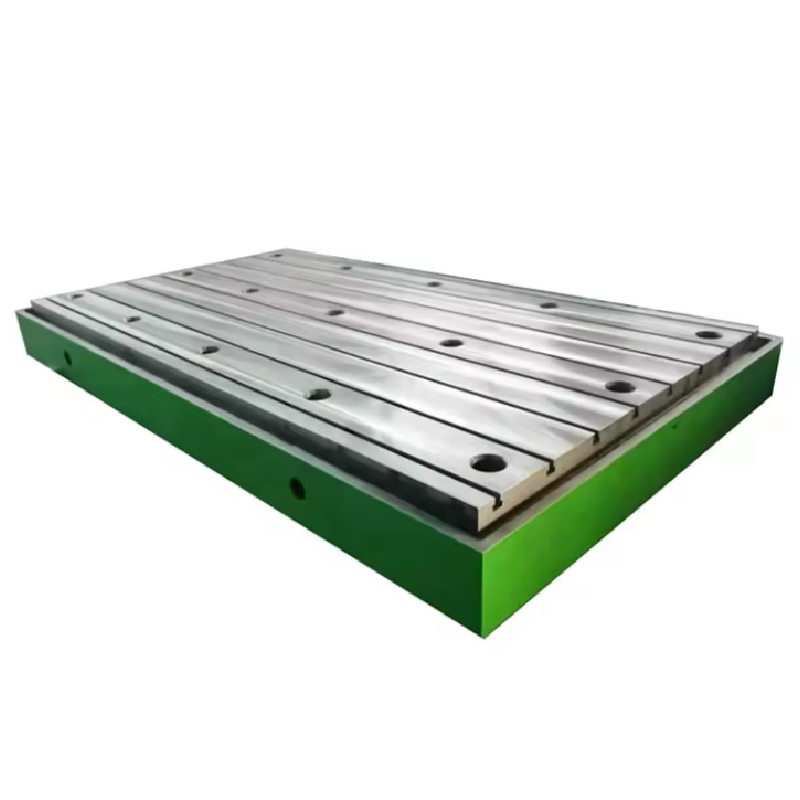
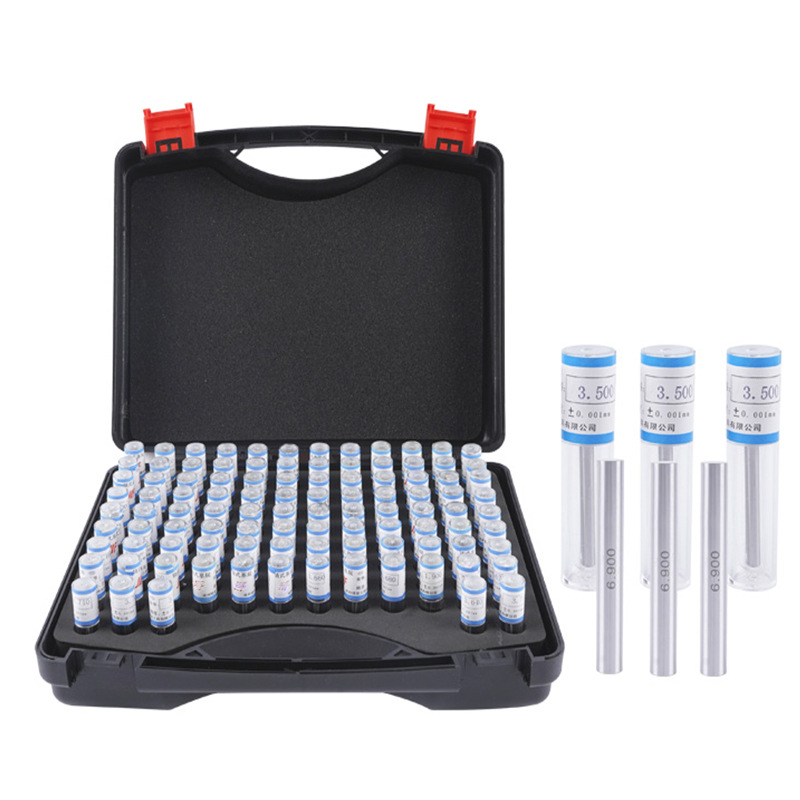
news and information
Versatile 5 8% Welding Table Clamps for Precision Metalworking and Fabrication
The Importance of 5% and 208% Welding Table Clamps in Modern Fabrication In the world of metal fabri
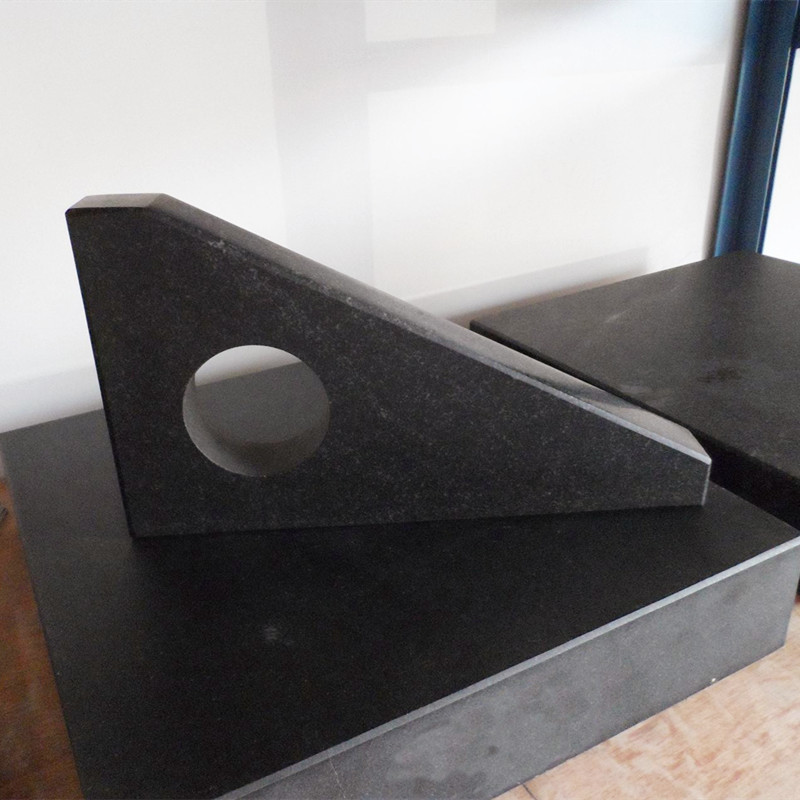
Using Thread Ring Gauges for Accurate Thread Inspection and Measurement Techniques
The Importance of Thread Ring Gauges in Quality Control In the world of manufacturing and engineerin

Vente de clapets anti - retour
Vente de vannes anti-retour Un choix judicieux pour votre système hydraulique Les vannes anti-retou
 English